
As colder months conclude and temperatures climb, many homeowners scale back heating use while continuing to rely on their oil system for domestic hot water. This makes thorough spring readiness an essential component of oil heating system upkeep.
At Wilcox Energy, we assist homeowners along the Southern Connecticut shoreline in maintaining reliable oil heating systems through dependable fuel delivery and informed support. Our method promotes safe, efficient oil usage in every season.
This article explains how to prepare your system for warmer conditions. Key steps include arranging oil heating system maintenance, evaluating system components, assessing the oil tank, and preparing furnaces and boilers for the seasonal shift.
Prepare Your Oil Tank for the Coming Heating Season: Count on Wilcox Energy for reliable heating oil delivery along the Southern Connecticut shoreline. Call today!
Getting Your Oil Heating System Ready for the Off-Season

When the heating season comes to a close, completing several preventive tasks can help safeguard your oil heating system during extended downtime. These steps reduce the risk of corrosion, fuel degradation, and performance problems when colder temperatures return.
Get Your Home Set for the Next Heating Season: Arrange dependable heating oil delivery with Wilcox Energy and keep your tank prepared. Call today!
1. Arrange Professional Oil Heating System Service
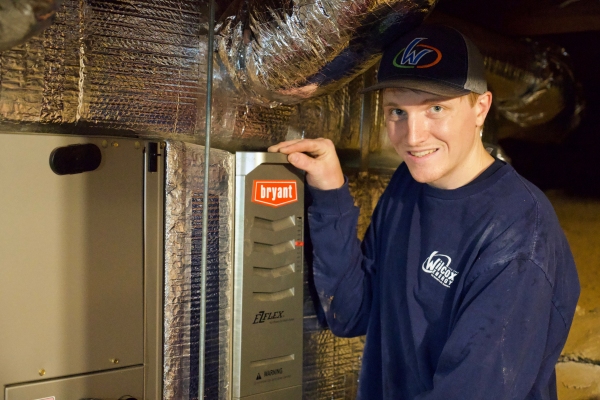
Spring provides an ideal opportunity to plan burner service once the heating season concludes. Removing soot and combustion deposits helps preserve critical oil system components while the equipment sits idle for several months. This service also enables technicians to verify that the heating system remains in proper condition before the off-season starts.
As part of a tune-up, technicians evaluate the burner assembly, ignition components, fuel lines, and combustion chamber to confirm reliable operation. They may also install a new oil filter and burner nozzle to reduce the risk of clogging, sediment accumulation, and fuel flow limitations that can impact burner performance when the system returns to use.
Ensure Consistent Heating Oil Availability: Rely on Wilcox Energy for cost-effective, dependable fuel delivery along the Southern Connecticut shoreline. Call today!
2. Examine and Clean the Heating System
Maintaining a clean heating unit and surrounding space helps promote safe operation and protect key components throughout the off-season. Clear away dust, debris, and stored belongings near the furnace or boiler to preserve proper airflow and limit the chance of contaminants interfering with burner function. Intake and exhaust openings should remain unobstructed to maintain safe combustion conditions.
During the evaluation, look for visible indicators of wear or possible fuel system concerns. Oil spots, corrosion, or unusual buildup around the equipment may signal leaks or emerging issues that should be addressed before the next heating season arrives.
3. Assess the Oil Tank for Wear or Corrosion
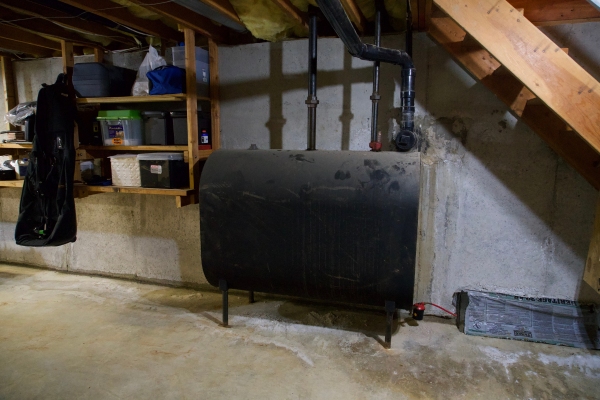
The oil storage tank should be checked routinely to confirm it remains structurally stable and free of leaks. Start by examining the tank exterior for rust, flaking paint, dents, or other forms of deterioration that could compromise its integrity over time.
Fuel lines and connections should also be reviewed for cracks, loose fittings, or traces of oil that may suggest a developing leak. Additionally, observe the area around the tank base for fuel odors, discoloration, or damp patches, as these may indicate an issue requiring professional attention.
Prevent Fuel Shortages This Winter: Rely on Wilcox Energy for prompt heating oil delivery that keeps your tank ready. Call today!
4. Maintain Proper Oil Tank Levels
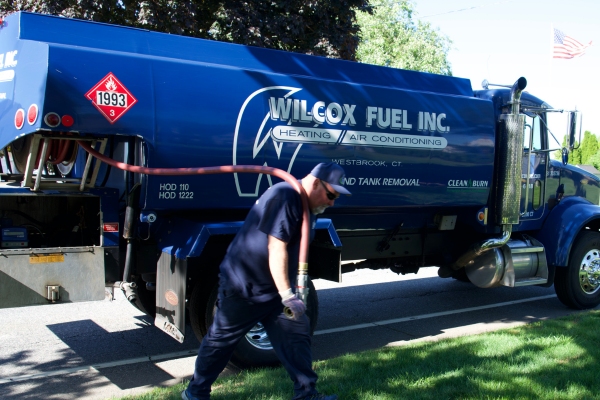
Maintaining a sufficient level of heating oil in the tank during the off-season helps safeguard the fuel system and the tank’s internal surfaces. Allowing the tank to sit too low can increase moisture accumulation and reduce overall fuel quality over time.
- Reduced Condensation Potential: Keeping a moderate oil level limits the volume of air inside the tank. Less air space minimizes condensation and reduces the chance of water developing within the tank.
- Decreased Internal Corrosion Risk: Moisture buildup in a partially empty tank can lead to corrosion. Maintaining proper oil levels helps protect interior tank surfaces and connected fuel components.
- Enhanced Fuel Stability: A fuller tank lowers the risk of moisture intrusion and sediment formation. Stable conditions help maintain heating oil quality until the next heating season begins.
Safeguard Your Oil Heating System With Dependable Fuel: Arrange heating oil delivery with Wilcox Energy and keep your home prepared. Call now!
5. Prepare Furnaces and Boilers for Warmer Conditions
Making proper adjustments and completing system checks helps sustain efficiency, protect components, and support dependable operation during periods of lower demand.
Heating Oil Furnaces
These are practical measures you can follow to keep your oil furnace operating safely and efficiently during times of reduced use:
- Adjust blower settings to support steady airflow and minimize excessive cycling during lighter demand.
- Examine the heat exchanger for soot, corrosion, or cracks that could impact efficiency or safety.
- Verify ignition components and burner performance remain dependable during intermittent operation.
- Ensure flue and exhaust passages are unobstructed and venting correctly.
Oil Boilers
These steps support steady boiler performance during warmer months, whether the system provides space heating, domestic hot water, or a combination of both.
- Adjust aquastat settings to align with lower demand, improving efficiency and limiting unnecessary cycling.
- Examine the heat exchanger and combustion chamber for soot accumulation or wear that could reduce performance.
- Confirm that pumps, valves, and zoning components function properly.
- Make sure flue and chimney pathways stay clear and maintain proper draft conditions.
6. Limit Off-Season System Wear

The conditions surrounding the oil heating system significantly influence how well the equipment is preserved during the off-season. Basements and utility areas should remain dry and well-ventilated, as excess humidity can accelerate corrosion of fuel system parts and metal components. It is also advisable to avoid storing paints, solvents, or cleaning agents near the heating unit, as lingering chemical vapors can gradually damage system components.
Planning for the next heating season can help limit the likelihood of system issues. Arranging burner service before colder weather sets in gives technicians time to evaluate and prepare the system for operation. Early maintenance supports dependable performance when heating demand returns.
Dependable Fuel Delivery for Your Home: Trust Wilcox Energy for heating oil delivery along the Southern Connecticut shoreline. Call today!
FAQs: Oil Heating System Maintenance

How Frequently Should a Professional Service an Oil Heating System?
Oil heating systems should undergo professional maintenance at least once each year, preferably before the heating season starts. Routine service helps keep the burner operating efficiently, ensures fuel delivery components stay clean, and confirms that safety controls perform as intended. Consistent evaluations also allow technicians to detect worn parts early, before they lead to heating issues.
What Function Does the Oil Filter Serve in System Performance?
The oil filter captures dirt, sediment, and other contaminants from heating oil before it enters the burner. As time passes, filters may become blocked and limit fuel flow, which can lower efficiency and lead to ignition issues. Replacing the filter during routine maintenance promotes clean combustion and helps protect burner components.
How Does Sediment Buildup Impact an Oil Heating System?
Sediment develops when contaminants and moisture collect within heating oil. This dense material can settle in the tank or fuel lines, gradually blocking filters, pumps, or burner nozzles. If left unaddressed through maintenance, buildup can lead to burner issues and decreased heating efficiency.
Maintain Proper Heating Oil Levels: Choose Wilcox Energy for reliable, consistent fuel delivery along the Southern Connecticut shoreline. Call today!
Is It Advisable to Leave the Heating Oil Tank Empty During Summer?
No. Maintaining some heating oil in the tank during the off-season helps reduce the amount of air inside the tank. Less air space limits condensation, lowering the risk of water contamination and internal corrosion. Keeping a moderate oil level helps protect the tank and fuel system until the next heating season.
How Frequently Should Homeowners Check Fuel Tank Levels Between Deliveries?
Homeowners should check tank levels consistently throughout the heating season. Reviewing the tank gauge every few weeks helps avoid running out of fuel and provides enough time to arrange delivery before levels become too low. Keeping the tank full also helps prevent sediment from entering the fuel line.
Conclusion
Getting your oil heating system ready for warmer weather helps safeguard essential components during periods of reduced use. Routine maintenance, system checks, and tank monitoring help limit corrosion, reduce contamination, and support steady performance. These actions also contribute to extended equipment life and dependable operation when colder temperatures return.
If you need reliable heating oil delivery, contact Wilcox Energy today. Our team delivers dependable fuel service and competitive pricing to keep homes along the Southern Connecticut shoreline supplied and prepared for the next heating season.
Be Ready for the Next Heating Season: Rely on Wilcox Energy for dependable heating oil delivery along the Southern Connecticut shoreline. Call today!
Call Wilcox Energy for Dependable Heating Oil Delivery
Wilcox Energy delivers reliable heating oil to homes and businesses along the Southern Connecticut shoreline, helping customers maintain steady warmth during colder months. Our team prioritizes timely deliveries, high-quality fuel, and straightforward service to simplify managing your heating needs. Competitive rates and clear communication help ensure consistent comfort without added complications.
To better support our customers, Wilcox Energy offers flexible delivery plans and payment options tailored to the needs of your household or business. This customized approach helps maintain a consistent oil supply throughout the heating season.
Choosing Wilcox Energy means working with a provider recognized for dependability, professionalism, and responsive customer service. Our goal is to supply the fuel and support required to keep your property comfortable all winter. Call today to schedule your heating oil delivery.
Contact us today to get started! Call now at (860) 399-6218 to discover more about our products and services. We offer free, in-home estimates. Click the link to view our service area.

Related Articles:
- Save Time And Money With Smart Heating Oil Delivery
- Why More Westbrook CT Residents Trust Automatic Heating Oil Delivery
- What Westbrook CT Homeowners Should Know About Heating Oil Delivery This Winter
- How to Choose the Best Heating Oil Company in Westbrook CT
- Plan Ahead: Heating Oil Budgeting Made Simple