
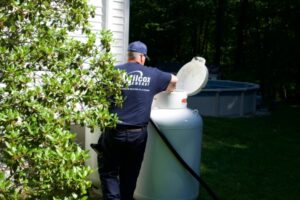
Winter heating bills can put pressure on household budgets, especially when temperatures drop and propane systems work harder to keep homes warm. Several factors influence how much fuel a household uses. Understanding these factors can help homeowners identify opportunities to manage energy consumption, maintain indoor comfort, and prepare for the colder months ahead.

An oil tank vent alarm plays an important role in keeping oil deliveries safe and efficient. The familiar whistling sound signals that air is escaping as fuel enters the tank. Understanding how this device works, what it means when the whistle stops, and how to maintain the venting system can help homeowners recognize problems.
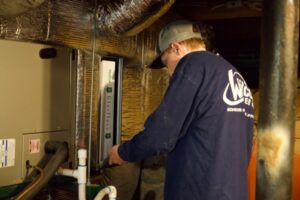
Getting your furnace ready before winter can help maintain indoor comfort and reduce the chances of unexpected heating problems. As temperatures drop, homeowners can take several practical steps to prepare their heating systems. Learn what to check, which warning signs to watch for, and how seasonal maintenance can support reliable furnace performance.
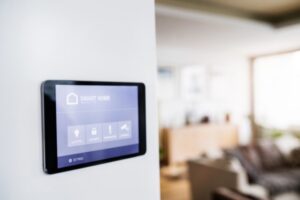
AI in HVAC is changing how homeowners manage heating and cooling. Smart controls, connected sensors, and automated features are helping systems respond to household routines and changing indoor conditions. Learn how these advancements affect home comfort, system performance, and HVAC service, and what to consider when choosing smart technology for your home.
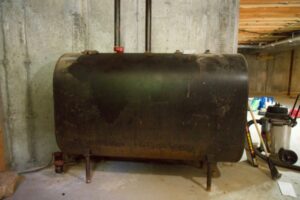
Summer heat and humidity can affect a heating oil tank even when the heating system is not running. Temperature swings may introduce moisture into the tank, creating conditions that contribute to corrosion. Understanding how these seasonal factors affect stored heating oil can help homeowners recognize potential problems and take preventive steps before colder weather returns.