
Imagine scheduling an air conditioning repair only to receive an unexpectedly expensive estimate after a brief inspection, then later discovering the problem required only a simple adjustment. Situations like this happen more often than many homeowners realize.
Many homeowners rely on HVAC professionals to provide accurate diagnoses and fair recommendations, making it important to know what to expect during a service visit. At Wilcox Energy, we deliver honest, transparent air conditioning services throughout the Southern Connecticut shoreline and believe informed customers are better equipped to avoid unnecessary expenses.
This article highlights seven common air conditioning scams, explains how to recognize the warning signs, and shares practical steps to help you avoid costly mistakes.
Common Air Conditioning Repair Scams Every Homeowner Should Know
Knowing how dishonest contractors operate can help you avoid unnecessary repairs, inflated costs, and misleading sales tactics. Recognizing the warning signs early allows you to make informed decisions and choose an HVAC company that provides honest recommendations and dependable service.
1. Bait-and-Switch Air Conditioning Repair Offers
One of the most common HVAC scams starts with an unusually low advertised service price to attract homeowners. Once the technician arrives, hidden fees, unexpected charges, or unnecessary “required” repairs quickly drive the final cost much higher.
These deceptive tactics often depend on vague service descriptions, verbal estimates, or incomplete pricing details. If the final invoice is significantly higher than the original quote without a clear explanation, you may be dealing with a bait-and-switch scheme.
Protect yourself by requesting a detailed, written estimate before approving any repairs. An itemized quote outlining labor, parts, and service costs helps prevent unexpected charges and provides valuable documentation if pricing disputes arise later.
2. Unlicensed HVAC Contractors and Door-to-Door Sales Calls
Door-to-door crews promoting discounted “inspection specials” often target homeowners by promising fast, low-cost HVAC services. Many of these individuals operate without proper licensing, insurance, company identification, or professional credentials. Their objective is to gain access to your home and recommend unnecessary or overpriced repairs.
These door-to-door HVAC sales tactics depend on creating urgency while taking advantage of limited homeowner knowledge. Protect yourself by confirming the contractor’s HVAC license with your local licensing authority and requesting company-issued identification before allowing any inspection or repair work.
3. Unnecessary Air Conditioner Part Replacements
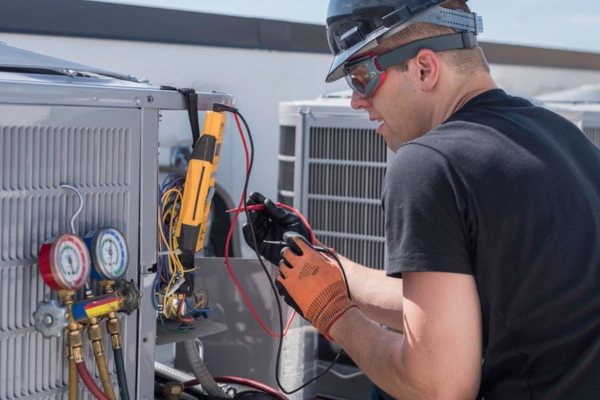
Some technicians recommend replacing expensive components such as compressors, coils, or control boards without providing evidence that they have actually failed. These unnecessary repair recommendations often rely on vague explanations or exaggerated claims to justify costly work.
For example, homeowners may be pressured into approving a compressor replacement without seeing diagnostic results or system readings. Always ask for the test data supporting the recommendation, and consider getting a second professional opinion before authorizing major repairs.
4. Phantom Refrigerant Recharge Scams
Some technicians recharge an air conditioning system and bill for refrigerant without performing a proper leak test. Since refrigerant does not normally run low, adding more without locating and repairing the leak is an ineffective repair and a common HVAC scam.
These schemes are often marketed as low-cost “recharge specials” that include no diagnostics and no warranty. To avoid paying for a temporary fix, request a certified leak test and a written warranty for any refrigerant service. This helps ensure that the underlying problem is repaired and that your system performs reliably.
5. Substandard or Aftermarket Air Conditioner Parts
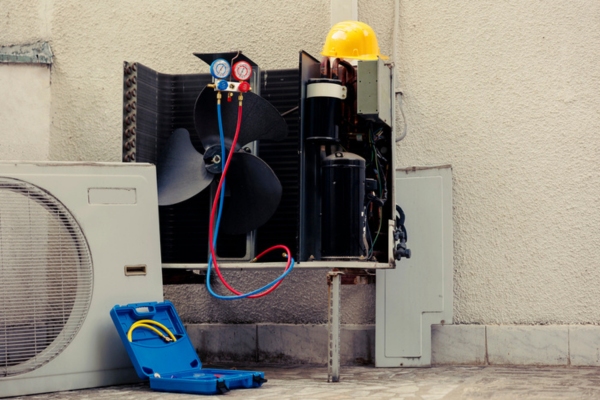
Some dishonest contractors install low-quality aftermarket or refurbished components while charging for premium OEM parts. These scams involve presenting generic replacements as new, manufacturer-approved equipment.
Inferior parts may reduce efficiency, shorten equipment life, and even void manufacturer warranties. Many homeowners don’t realize they’ve overpaid until another breakdown occurs.
Protect yourself by asking whether OEM parts will be used and requesting that commitment in writing. After the repair, ask to keep the replaced parts and verify new components by checking the manufacturer’s labels and serial numbers.
These simple steps help confirm you’re receiving the parts you paid for and protect your HVAC investment.
6. High-Pressure “Today-Only” HVAC Sales Tactics
Some HVAC contractors use high-pressure sales tactics to rush homeowners into expensive decisions. They may claim your air conditioner is about to fail or offer a “today-only” discount that expires as soon as they leave.
These scare tactics are designed to create a sense of urgency and discourage you from seeking a second opinion or comparing estimates. The objective is to close the sale before you have time to review your options.
Protect yourself by avoiding on-the-spot decisions for major repairs or system replacements. Review the diagnosis, research the recommended solution, and compare quotes from reputable HVAC companies. A trustworthy contractor will give you time to make an informed decision without unnecessary pressure.
7. “Free” Air Conditioning Inspections That Lead to Costly Upsells
A free HVAC inspection may seem appealing, but some contractors use these offers to gain access to your home and recommend unnecessary repairs. After a brief inspection, they may claim to find multiple “urgent” problems requiring immediate and expensive service.
Protect yourself by confirming exactly what the free inspection includes and ensuring no charges will be added without your approval. Request a detailed written report listing all findings and recommendations so you can verify the diagnosis and avoid unnecessary expenses.
Air Conditioning Scams: FAQs

How Do I Confirm That an HVAC Contractor Is Properly Licensed?
You can verify an HVAC contractor’s credentials by checking your state’s contractor licensing board using their license number or business name. Reputable companies such as Wilcox Energy readily provide proof of licensing, insurance, and professional certifications upon request, giving homeowners confidence that all work meets applicable safety and industry standards.
What Information Should a Reliable AC Repair Estimate Include?
A professional repair estimate should clearly itemize labor, parts, diagnostic fees, and any additional service charges. It should also explain the recommended repairs, provide an estimated completion time, and include warranty details for parts and workmanship. Comparing written estimates from reputable HVAC companies helps you evaluate overall value instead of choosing based on price alone.
How Frequently Should an Air Conditioner Need Repairs?
With annual maintenance, most central air conditioners require only occasional minor repairs, such as capacitor replacements or leak-related refrigerant service, every 3 to 5 years. Heavy use, restricted airflow, and poor maintenance can shorten this timeline. Routine tune-ups and regular filter changes help identify small issues before they become costly repairs.
What Are the Warning Signs That My AC Compressor or Coil Needs Service?
Common signs include reduced cooling performance, unusual hissing or clanking noises, ice forming on the evaporator coil, rising energy bills, and uneven temperatures throughout your home. Scheduling professional compressor testing or coil service early can restore efficiency and help prevent more extensive system damage.
When Should I Replace My Air Conditioner Instead of Just Repairing It?
If your air conditioner is more than 10 to 15 years old, requires frequent repairs, or no longer operates efficiently, replacement may provide better long-term value through lower energy costs and improved reliability. Wilcox Energy can evaluate your system, home’s cooling needs, and budget to recommend whether a repair or a high-efficiency replacement is the best solution.
Conclusion
Protecting yourself from air conditioning repair scams starts with awareness. Be cautious of unusually low offers, request itemized estimates, verify technician credentials, and seek a second opinion before approving major repairs. These simple steps can help you avoid unnecessary costs and ensure your system receives the service it actually needs.
Don’t let air conditioning repair scams cost you hundreds. Trust Wilcox Energy for transparent HVAC pricing, licensed AC repairs, and honest service throughout the Southern Connecticut shoreline. Contact us today to schedule a dependable estimate and experience the professional care your home deserves.
Contact Wilcox Energy for Premier HVAC Services
At Wilcox Energy, we provide trusted heating and cooling services throughout the Southern Connecticut shoreline. Our certified HVAC technicians specialize in tune-ups, repairs, installations, replacements, and other HVAC solutions. Backed by extensive training and years of experience, our team services every system with precision and professionalism.
We are focused on delivering high-quality HVAC services at competitive rates. Our maintenance services help improve comfort, increase energy efficiency, and lower heating and cooling costs. Whether you need a repair or a complete system replacement, Wilcox Energy will recommend solutions tailored to your home’s needs and budget. We stand behind our work with a strong commitment to quality workmanship and customer satisfaction.
Get in touch with Wilcox Energy today to schedule your service appointment and request an in-home consultation. Call now.
For more information about our HVAC services, propane deliveries, or heating oil deliveries, be sure to contact Wilcox Energy. You can click here to contact us or call us at (860) 399-6218. Call now! Click the link to view our service area.
Related Articles: