

Your air conditioner works hard to keep your home comfortable, but certain everyday habits can quietly reduce its performance and lifespan. Small mistakes often lead to bigger problems over time. Discover common behaviors that can affect your cooling system and learn why proper air conditioner care is important for long-term efficiency.
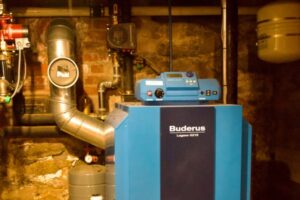
As temperatures rise, your oil heating system still needs attention to stay protected during months of lower demand. Seasonal maintenance can help prevent fuel issues, reduce wear, and keep essential components in good condition. Discover the key steps homeowners should take before warmer weather arrives to support reliable performance when heating season returns.
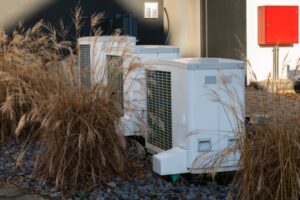
Air conditioning plays a major role in creating comfortable indoor environments, but its impact goes beyond temperature control. From air quality to sleep and overall wellness, cooling systems can influence daily life in several ways. Understanding the relationship between indoor comfort and health can help homeowners make informed decisions about their cooling systems.

Your air conditioner does more than keep your home cool; it also plays an important role in safety, indoor air quality, and overall comfort. Understanding the right precautions can help prevent common issues and support reliable performance throughout the cooling season. Discover key considerations that can help protect both your system and your household.
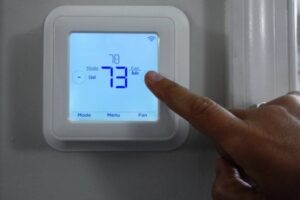
A programmable thermostat does more than adjust temperature; it follows your daily routine to help maintain comfort and improve efficiency automatically. By understanding how it communicates with your HVAC system, homeowners can better manage indoor conditions while reducing unnecessary energy use. Learn what happens behind the scenes and why this technology has become popular.