
Spring brings milder temperatures and extended daylight hours. The season also introduces airborne pollen that can enter your home and contribute to ongoing allergy symptoms associated with HVAC allergies.
At Wilcox Energy, we assist homeowners throughout the Southern Connecticut shoreline with improving indoor air quality. Our team delivers advanced HVAC solutions, detailed system maintenance, and filtration upgrades designed to limit airborne contaminants.
This article explains how pollen makes its way into your home. It also examines how HVAC equipment affects indoor allergen concentrations. You will discover practical strategies to limit pollen exposure during spring and improve control of HVAC-related allergy symptoms.
Boost Indoor Air Quality and Minimize Allergy Triggers: Wilcox Energy can recommend effective HVAC filtration solutions for your home. Schedule your service today.
Reducing Indoor Pollen: Effective HVAC Solutions for Allergy Control
Recognizing how pollen enters and moves through your HVAC system is the first step in lowering indoor allergen concentrations. With proper filtration, balanced airflow, and consistent system maintenance, homeowners can greatly reduce HVAC-related allergies and strengthen indoor air quality during the spring season.
Limit Pollen and Improve Airflow Efficiency: Trust Wilcox Energy to optimize your HVAC system. Schedule your appointment today.
How Spring Pollen Finds Its Way Indoors
During spring, pollen enters homes through several typical pathways. Opening doors and windows increases natural ventilation while allowing outdoor pollen to move inside. Even short periods with windows open can elevate indoor allergen levels. Foot traffic and pets also contribute to the problem. Pollen clings to shoes, clothing, and animal fur. These particles eventually settle in carpets, upholstered furniture, and HVAC ductwork.
Your HVAC system can also play a role when filters become clogged, poorly fitted, or undersized. Under these conditions, pollen circulates through the home instead of being captured by the filtration system.
How Your HVAC System Influences Allergy Symptoms
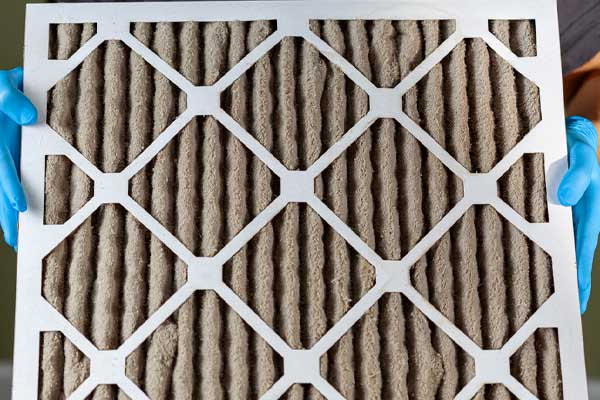
Your HVAC system plays an important role in how pollen and other airborne allergens move throughout your home.
- Air Filter Performance: Standard fiberglass filters capture larger debris but often allow smaller particles, such as pollen, to pass through. Installing a higher MERV-rated filter increases particulate capture and helps reduce the circulation of airborne allergens inside the home.
- Ductwork Integrity: Leaky or poorly sealed ducts may draw pollen from attics, crawlspaces, or wall cavities into the system. Proper sealing helps stop contaminated air from entering and spreading through living areas.
- Humidity Regulation: Maintaining balanced indoor humidity supports respiratory comfort and reduces airborne irritants. Excessively dry or overly humid conditions can worsen allergy symptoms and reduce overall indoor comfort.
Improve Filtration and Protect Indoor Comfort: Let Wilcox Energy optimize your HVAC system for spring. Schedule your service today.
HVAC Improvements That Reduce Indoor Pollen
Targeted HVAC upgrades and routine maintenance can significantly reduce pollen circulation and improve indoor air quality during allergy season.
Install High-Efficiency Air Filters
Pleated filters with a suitable MERV rating capture smaller pollen particles more effectively than standard fiberglass filters. MERV 8 through 13 filters are commonly recommended for residential systems, depending on equipment design and airflow capacity. Choosing a filter that aligns with your system specifications helps prevent airflow restriction while strengthening allergen control.
Schedule Professional HVAC Maintenance
Routine inspections confirm that filters are correctly installed, blower components remain clean, and airflow pathways stay unobstructed. Technicians also inspect for air leaks and pressure imbalances that may distribute contaminants through the system. Regular maintenance limits pollen accumulation within HVAC components and supports reliable system performance.
Limit Airborne Allergens and Support Peak HVAC Performance: Schedule professional HVAC maintenance with Wilcox Energy today.
Install Whole-Home Air Purification Systems
Whole-home air purification systems treat air as it travels through the HVAC equipment. These units capture microscopic particles before they spread into living areas. Certain systems use HEPA-grade filtration or advanced ionization technology to improve particle removal and strengthen indoor air cleanliness.
Seal and Service HVAC Ductwork

Professional duct sealing blocks pollen from entering the system through attics, crawlspaces, or wall cavities. Duct cleaning clears accumulated dust and debris that could otherwise recirculate through the home. Combined, these services strengthen indoor air quality and support consistent airflow throughout the system.
Improve Whole-Home Air Quality and HVAC Performance: Have Wilcox Energy assess your system today. Schedule your service now.
Additional Measures to Minimize Indoor Pollen
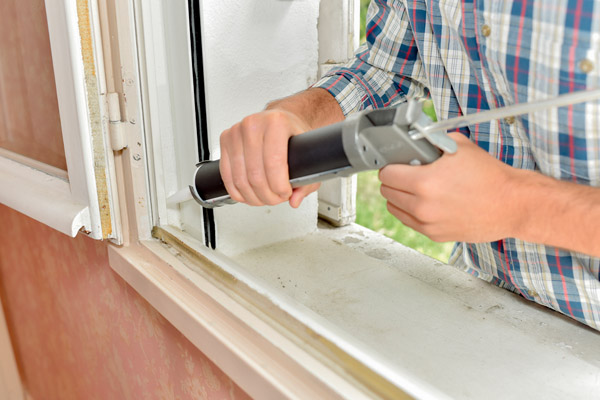
Along with HVAC improvements, simple household routines can further reduce pollen accumulation and lower indoor allergen exposure.
- Change Filters Regularly: During high-pollen periods, check HVAC filters monthly. Replace them when needed to maintain proper airflow and effective particle capture.
- Keep Return Vents Clean: Dust and vacuum around supply and return vents routinely. This practice reduces the likelihood that settled pollen will be drawn back into circulation.
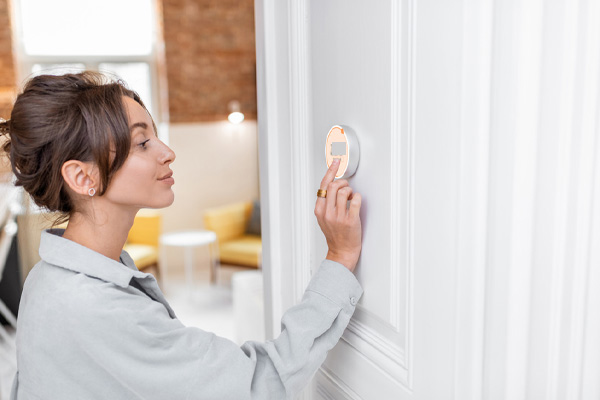
- Use Programmable or Smart Thermostats: In compatible systems, running the fan at a continuous low speed increases air circulation. More frequent air movement allows filters to capture airborne particles more effectively.
- Reduce Outdoor Contaminant Transfer: Leave shoes at entryways and groom pets regularly. These habits help limit the amount of pollen brought into indoor living areas.
Reduce Seasonal Allergy Symptoms and Improve Indoor Airflow: Count on Wilcox Energy for dependable HVAC solutions. Schedule your service today.
Signs It Is Time for Professional HVAC Assistance Along the Southern Connecticut Shoreline
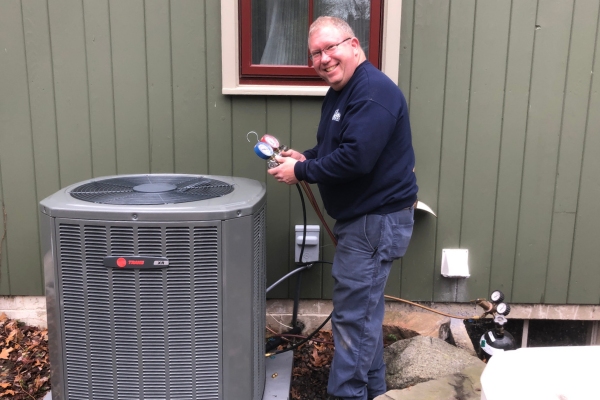
A professional HVAC evaluation may be necessary when allergy symptoms indoors continue even after routine cleaning and regular filter changes. Persistent discomfort can indicate that improved filtration or airflow adjustments are required. Dust collecting around vents is another common warning sign. Weak airflow from supply registers may also suggest blocked filters, duct obstructions, or debris accumulating inside system components.
Older HVAC equipment should also be evaluated. Aging systems may lack the capacity to accommodate high-efficiency filters or modern indoor air quality enhancements. A professional inspection confirms compatibility, safeguards system operation, and improves overall pollen management.
Improve Indoor Air Quality This Spring: Rely on Wilcox Energy for specialized HVAC air quality solutions. Schedule your appointment today.
FAQs: HVAC Allergies

Do HVAC Zoning Systems Reduce Pollen Exposure In Certain Parts Of The Home?
Yes. HVAC zoning systems regulate airflow independently for different sections of the house. This setup can reduce pollen movement into unoccupied rooms while directing filtration toward areas where people spend the most time. Correct damper settings and balanced airflow remain important for maintaining proper system performance.
Can UV Lights In HVAC Systems Remove Pollen?
UV germicidal lights are designed to address biological contaminants such as mold and bacteria. They do not capture or remove pollen particles from the air. Effective pollen control within an HVAC system depends mainly on proper air filtration.
How Do Outdoor Pollen Levels Affect Indoor Air Quality?
Elevated outdoor pollen counts increase the chances of pollen entering the home through normal air exchange. Houses with poor sealing, worn weatherstripping, or unbalanced ventilation systems may experience higher indoor pollen concentrations during peak allergy seasons.
Improve Air Filtration and Restore Balanced Airflow: Wilcox Energy can help optimize your HVAC system. Call today to learn more.
Can Dirty Evaporator Coils Worsen Allergy Symptoms?
Yes. When evaporator coils collect dust and debris, airflow efficiency decreases, and moisture may accumulate on coil surfaces. These conditions can allow allergens to cling to components and circulate through the HVAC system. Routine coil cleaning helps maintain proper airflow and limits contaminant buildup.
Can Improving Home Insulation Help Lower Indoor Pollen Levels?
Enhancing insulation strengthens the building envelope and helps limit gaps where outside air can enter. When combined with proper air sealing, it reduces uncontrolled airflow that may carry pollen indoors. This strategy complements HVAC filtration by reducing the number of entry points for external contaminants.
Conclusion
Pollen gets inside homes through open doors and windows, routine foot traffic, and HVAC systems that do not provide adequate filtration. After entering, these particles can circulate through ductwork and living areas. High-efficiency filters, properly sealed duct systems, and consistent professional maintenance help lower indoor allergen concentrations. Proactive HVAC care strengthens indoor air quality, preserves system efficiency, and supports reliable comfort throughout the season.
Lower indoor allergens this spring with professional HVAC solutions from Wilcox Energy. Schedule your indoor air quality evaluation today.
Enhance Ventilation and Reduce Indoor Allergens: Contact Wilcox Energy for a thorough HVAC system inspection. Call today.
Contact Wilcox Energy For Complete HVAC Services
Wilcox Energy delivers professional heating and cooling services throughout the Southern Connecticut shoreline, providing reliable results through skilled workmanship and detailed system evaluations. Our certified technicians perform preventive maintenance, precise diagnostics, system repairs, new installations, and full equipment replacements following recognized industry standards. Every service focuses on dependable operation and lasting system performance.
We provide transparent, competitive pricing and practical recommendations designed to improve efficiency and manage operating costs. Routine maintenance increases indoor comfort, lowers energy consumption, and helps prevent unexpected equipment failures. When repairs or system upgrades become necessary, our team recommends solutions tailored to your home’s requirements and budget.
Each project reflects our commitment to quality workmanship and customer satisfaction. Contact Wilcox Energy today to arrange your HVAC service or schedule a professional in-home consultation.
For more information about our HVAC services, propane deliveries, or heating oil deliveries, be sure to contact Wilcox Energy. You can click here to contact us or call us at (860) 399-6218. Call now! Click the link to view our service area.

Related Articles: