
Proper HVAC maintenance plays a vital role in keeping your system operating efficiently and supporting indoor air quality throughout your home. A key element is the air filter, which captures dust, allergens, and airborne debris while directly influencing equipment performance, efficiency, and long-term service life and reliability.
At Wilcox Energy, a trusted provider of heating and cooling services along the Southern Connecticut shoreline, we focus on helping homeowners maintain cleaner indoor air and reliable system performance through proper air filter management and timely replacements.
This article outlines how often to conduct an HVAC air filter replacement and explains why consistent maintenance is essential for peak system efficiency, dependable operation, and healthier indoor air quality.
Depend on Wilcox Energy for Trusted HVAC and Indoor Air Quality Services: Protect your comfort and maintain healthier indoor air with experienced support. Contact us today.
How Often Should You Replace Your HVAC Air Filter?

In most homes, HVAC air filters should be replaced every 30 to 90 days to maintain proper airflow and system efficiency. Households with pets, allergy concerns, or elevated dust levels may require more frequent changes to preserve indoor air quality and protect equipment performance. Continue reading to learn which conditions can affect this recommended timeframe.
Count on Wilcox Energy for Reliable HVAC and Indoor Air Quality Support: Safeguard your comfort and maintain cleaner air with dependable service. Contact us today.
HVAC Air Filter Basics
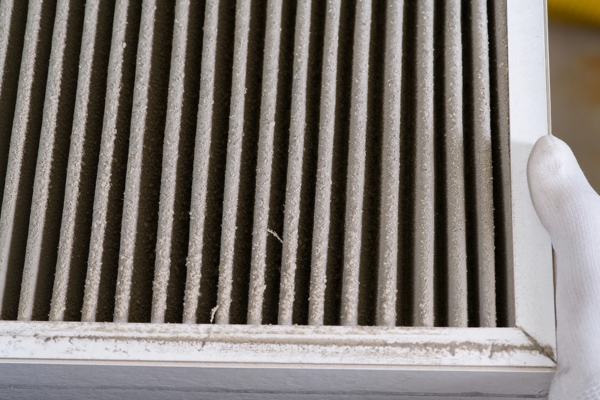
HVAC air filters play an essential role in system operation and indoor air management. They serve two primary purposes: capturing airborne particles such as dust, pollen, and pet dander to enhance indoor air quality, and shielding HVAC components from debris that can restrict airflow, reduce efficiency, and contribute to premature wear or expensive repairs.
Several filter types are available, each designed for different performance needs:
- Fiberglass HVAC Filters: These cost-effective filters are engineered to capture larger airborne particles and are commonly used in standard residential applications.
- Pleated Air Filters: Constructed with denser, higher-grade materials, pleated filters trap smaller particles and are well-suited for households with pets or occupants who experience allergies.
- HEPA Filters: High-Efficiency Particulate Air filters provide advanced filtration by removing extremely small contaminants, making them appropriate for homes where respiratory sensitivities or significant allergy concerns require enhanced air purification.
Selecting the appropriate filter should be based on your household’s health considerations and surrounding environmental factors, as these conditions directly affect replacement frequency and overall system performance.
Before purchasing an HVAC air filter, verify that it is compatible with your specific heating and cooling equipment, since certain filters may restrict airflow in systems not designed for higher resistance. Consulting with Wilcox Energy can help ensure you install a filter that supports proper operation and long-term efficiency.
Choose Wilcox Energy for Proven Comfort and Indoor Air Quality Support: Place your home’s HVAC and air quality needs in experienced hands. Call today to receive dependable, professional service.
Variables That Affect Air Filter Replacement Timing

Although the standard recommendation is to change HVAC air filters every 30 to 90 days, certain conditions may require shorter replacement intervals:
- Home Size and Filter Dimensions: Larger residences or systems using smaller filters may demand more frequent replacements because greater volumes of air move through the system.
- Indoor Air Quality and Regional Allergen Exposure: Properties located in areas with elevated pollen levels or compromised outdoor air conditions often require more consistent filter changes to preserve indoor cleanliness.
- Pet Ownership: Animal hair and dander accumulate quickly within filters, restricting airflow and lowering air quality, which leads to the need for more frequent replacements.
- Allergies or Respiratory Sensitivities: Households with occupants who experience allergies or breathing conditions may require shorter change intervals to minimize airborne irritants.
- Indoor Smoking: Fine smoke particles can rapidly clog a filter, increasing resistance and necessitating more frequent replacements.
- Seasonal Properties and Intermittently Occupied Homes: Vacation properties or homes used part-time may not need routine monthly changes, though filters should be evaluated before extended stays or seasonal use.
Modifying your filter replacement timeline based on these conditions supports consistent HVAC efficiency and helps preserve healthy indoor air quality throughout your home.
Turn to Wilcox Energy for Dependable Comfort and Improved Indoor Air: Choose trusted heating and air quality support. Enjoy cleaner air and steady performance. Call today.
Indicators That Your Air Filter Requires Earlier Replacement
Visible buildup of dirt and debris on your air filter is a clear sign that replacement is necessary. When a filter becomes clogged, it limits airflow and forces your HVAC system to operate under increased strain. This added workload can raise energy costs and reduce overall heating or cooling performance. Increased dust collecting on surfaces throughout your home may also signal that the filter is no longer capturing airborne particles effectively, allowing them to circulate back into the living space.
Strange smells coming from your vents may also signal that your air filter requires replacement. These odors often result from the buildup of dust, mold, and other contaminants that a properly functioning filter is designed to capture.
When these warning signs appear, changing your air filter promptly can support system efficiency and help preserve cleaner, healthier indoor air throughout your home.
Steps for Replacing Your HVAC Air Filter
Changing your HVAC air filter is a straightforward task that can significantly improve the performance of your heating and cooling equipment. Follow these steps to locate and install a new filter properly:
- Shut Down the HVAC System: Confirm the system is powered off before removing the filter to prevent airborne debris from circulating during the process.
- Find the Filter Housing: Identify the filter compartment within your indoor unit, typically positioned along the return duct or inside a slot within the furnace or air handler cabinet.
- Take Out the Used Filter: Carefully slide the existing filter out of its slot. Observe any airflow direction arrows printed on the frame, as they indicate proper installation alignment.
- Install the Replacement Filter: Insert the new filter into the designated slot, ensuring the arrows point toward the ductwork to maintain correct airflow direction.
- Reattach the Access Panel: Replace any covers or access doors and secure them firmly before restarting the system.
When choosing a replacement filter, review the Minimum Efficiency Reporting Value (MERV) rating, which measures how efficiently a filter captures airborne particles. For most homes, MERV ratings between 8 and 13 provide adequate filtration, helping to trap dust, pollen, mold spores, and common allergens. For personalized guidance, consult Wilcox Energy to determine the most suitable filter for your HVAC system, particularly if your household includes pets, allergy sensitivities, or specific indoor air quality concerns.
Inspect your air filter monthly, especially during peak usage periods like summer and winter. Change it according to the suggested timeline or earlier if it appears dirty or restricted. Performing this regular inspection helps extend the lifespan of your HVAC equipment and supports consistently healthy indoor air quality.
Select Wilcox Energy for Trusted HVAC Performance and Cleaner Air: Experience dependable home comfort and cleaner air. Call today for professional service.
Advantages of Routine Air Filter Replacement
Replacing your HVAC air filter on a consistent schedule is critical for protecting indoor air quality. A clean filter captures pollen, dust, and other airborne allergens, improving the air you breathe and supporting overall health. This is particularly important for individuals with allergies or respiratory conditions, as it helps reduce irritants that may trigger symptoms.
A new filter also improves HVAC efficiency and system lifespan. Unrestricted airflow allows the equipment to circulate air with less strain, lowering energy usage and reducing monthly utility costs. Decreased operational stress limits component wear, which can reduce repair expenses and extend equipment life.
Routine filter replacement is a straightforward maintenance task that promotes energy savings and dependable system performance.
HVAC Air Filter Replacement: Frequently Asked Questions
Is It Safe to Wash and Reinstall a Disposable HVAC Air Filter?
No. Disposable HVAC air filters are intended for single use and should be replaced at the end of their rated lifespan rather than cleaned and reused. Attempting to wash or reinstall them can damage the filter media, reduce filtration performance, worsen indoor air quality, and increase strain on your HVAC equipment.
What Are the Consequences of Skipping Regular Air Filter Changes?
Neglecting routine HVAC air filter replacement can cause restricted airflow, forcing the system to operate under greater strain. This increases energy consumption, raises utility costs, and may result in expensive repairs or early equipment failure. An aging filter also loses its ability to capture contaminants effectively, leading to declining indoor air quality.
Will a Higher MERV Rating Make My HVAC System Perform Better?
Filters with higher MERV ratings capture smaller, more numerous airborne particles, thereby enhancing indoor air quality. However, they may create greater airflow resistance than lower-rated filters. It is important to select a filter that supports clean air without overburdening your system. An HVAC professional can help determine the appropriate MERV level for your equipment.
Secure Reliable HVAC Service and Cleaner Indoor Air with Wilcox Energy: Improve your home environment with professional care and dependable support. Contact us today for trusted solutions.
How Can I Determine the Correct Air Filter Size for My HVAC System?
The required filter dimensions are usually printed along the frame of your existing air filter. If the size is illegible, measure the length, width, and depth of the filter slot in your HVAC unit. Always install a properly sized filter to ensure a tight fit and prevent unfiltered air from bypassing the system.
Can Replacing My Air Filter Help Reduce Allergy Symptoms?
Yes. Consistently installing a clean filter with an appropriate MERV rating for allergen control can help lessen allergy symptoms. Filters designed to capture fine particles are effective at removing pollen, dust mites, and pet dander from indoor air, which may improve comfort for allergy sufferers.
Conclusion
Consistent HVAC air filter replacement is essential for preserving indoor air quality, supporting system efficiency, and extending equipment lifespan. To keep your system operating at peak performance, consult Wilcox Energy for guidance tailored to your property’s specific needs. Our experienced team delivers dependable service that promotes optimal operation and cleaner indoor air for homes and businesses.
Dependable and Cost-Effective HVAC Solutions: Trust Wilcox Energy to manage your heating and cooling needs with precision and care. Call today.
Contact Wilcox Energy for Professional HVAC Service
Wilcox Energy delivers dependable heating and cooling solutions across the Southern Connecticut shoreline. Our team of certified HVAC technicians performs tune-ups, repairs, system installations, replacements, and related services with technical accuracy and attention to detail. Each technician brings extensive field experience to ensure your equipment operates safely and efficiently.
We offer competitive pricing for heating and cooling services throughout the region. Our maintenance solutions are structured to improve indoor comfort, increase energy efficiency, and help lower operating costs. Whether you require a targeted repair or a full system upgrade, Wilcox Energy provides practical recommendations aligned with your home’s needs and budget. A clear commitment to customer satisfaction supports all our work.
Contact Wilcox Energy today to arrange your service visit and schedule an in-home consultation. Call now.
For more information about our HVAC services, propane deliveries, or heating oil deliveries, be sure to contact Wilcox Energy. You can click here to contact us or call us at (860) 399-6218. Call now! Click the link to view our service area.

Related Articles: