
Preparing your furnace before colder weather arrives helps ensure dependable heating, efficient operation, and consistent comfort throughout the winter. A few pre-season measures can also reduce unnecessary energy use, identify developing problems, and lower the risk of inconvenient breakdowns or costly repairs when your heating system is working hardest.
Professional furnace maintenance remains an important part of seasonal preparation, but homeowners can take several practical steps to support reliable performance. This article covers seven essential furnace preparation tips to help keep your Southern Connecticut home warm, comfortable, and ready for the cold season.
7 Simple Furnace Preparation Tips for Winter Along the Southern Connecticut Shoreline
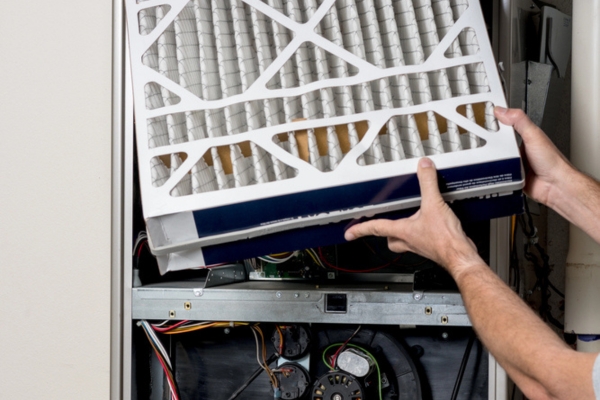
Preparing your furnace before winter arrives can help maintain reliable heating, improve efficiency, and reduce the risk of unexpected problems during colder weather. These seven practical furnace preparation tips can help homeowners get their heating systems ready for the demands of the winter season.
Tip 1: Check and Change the Furnace Air Filter
Keeping your furnace air filter clean is essential for supporting proper airflow and efficient heating performance. A clogged filter limits airflow, forcing the furnace to operate harder. This can increase energy costs and contribute to unnecessary wear on heating system components.
Most manufacturers suggest inspecting the filter every month and replacing it at least once every three months. Homes with pets, excessive dust, or family members with allergies may need more frequent filter replacements.
This straightforward maintenance step is among the simplest ways to support furnace performance and maintain efficient, reliable operation throughout the colder winter months.
Tip 2: Check Your Thermostat
Checking your thermostat is an important part of getting your furnace ready for winter. Proper thermostat operation helps maintain accurate temperature settings and dependable, consistent heating throughout your home.
- Switch the thermostat to heating mode and raise the temperature setting several degrees above the current indoor temperature.
- Wait for the furnace to start. If it does not respond, or the displayed temperature differs from the actual room temperature, the thermostat may need professional inspection, calibration, or replacement.
Identifying thermostat issues before winter can help prevent inconsistent heating, unnecessary furnace operation, and increased energy consumption throughout the colder months.
Tip 3: Keep the Furnace Area Clear
Keeping the space surrounding your furnace clean is important for safe, efficient operation. Dust, clutter, and nearby stored materials can restrict airflow and potentially create fire hazards.
Maintain at least three feet of clear space around the furnace, and routinely vacuum or sweep the surrounding area to minimize dust and debris buildup.
Keeping this area unobstructed supports proper airflow and improves heating system safety, helping your furnace operate reliably and efficiently throughout the winter season.
Tip 4: Check and Unblock the Air Vents
Keeping your home’s vents and registers clear helps support consistent and efficient heating. Closed or obstructed vents can interfere with airflow, contribute to uneven temperatures, and increase the workload on your furnace.
Check each room to confirm that vents are fully open and unobstructed by furniture, curtains, rugs, or other household items.
This quick inspection can improve heating system performance by promoting steady airflow and allowing heated air to circulate properly throughout your home during the colder winter months.
Tip 5: Arrange a Professional Furnace Tune-Up in Connecticut
Regular professional furnace maintenance supports heating system efficiency, reliability, and service life. During a tune-up, an HVAC technician carefully inspects, cleans, tests, and adjusts key components to verify the furnace operates properly and safely.
Preventive maintenance can uncover developing problems early, helping minimize the risk of unexpected breakdowns and costly repairs during colder weather.
Routine tune-ups can also improve energy efficiency, helping control heating expenses while keeping your home consistently warm and comfortable throughout winter.
Tip 6: Check for Carbon Monoxide Hazards
Protecting your home from carbon monoxide is essential to furnace safety. A malfunctioning furnace can release this colorless, odorless gas, creating a serious health and safety risk.
Watch for warning signs around the furnace, including unusual soot or corrosion, and install carbon monoxide detectors on every level of your home, particularly near sleeping areas.
Test each detector monthly and replace batteries according to the manufacturer’s instructions. These precautions can help alert your household to carbon monoxide problems and provide important protection throughout the winter heating season.
Tip 7: Examine the Furnace Flame
Checking the furnace flame can help identify possible combustion problems before they become more serious. A properly operating gas furnace typically produces a steady blue flame. A yellow, irregular, or flickering flame may indicate issues involving the burners, venting system, or combustion process that can affect safety and performance.
If you notice an unusual flame, contact a qualified HVAC technician promptly for professional inspection and service.
This basic visual check can help identify combustion concerns that require attention and reduce the risk of potentially dangerous problems, including carbon monoxide exposure.
Furnace Preparation Tips: FAQs

How Long Does a Furnace Typically Last?
Most furnaces have an expected lifespan of about 15 to 20 years, although maintenance, installation quality, operating conditions, and usage can affect longevity. As equipment ages, efficiency may decline, and repairs can become more frequent. A professional evaluation can determine whether replacement is appropriate or the furnace can continue operating safely and reliably.
Why Does My Furnace Have an Odor When I First Start It?
A mild burning odor can occur when starting your furnace after months of inactivity, often because accumulated dust is heating up. However, an odor that persists or resembles rotten eggs, melting plastic, or electrical burning may indicate a gas leak, electrical fault, or equipment problem. Turn the system off and contact a qualified professional immediately if you notice these concerning odors.
What Warning Signs Indicate My Furnace Needs Service?
Several symptoms can indicate that your furnace requires professional attention. Uneven temperatures or rooms that remain unusually cold may signal a performance problem. Banging, rattling, squealing, or other unfamiliar noises can indicate mechanical issues. Unexpectedly higher energy bills and frequent on-and-off cycling are additional warning signs that should be evaluated by a qualified HVAC technician.
Can I Shut Vents in Unused Rooms to Reduce Heating Costs?
Closing vents in unused rooms may appear to reduce heating expenses, but it can disrupt your HVAC system’s airflow. Increased duct pressure can place additional strain on the furnace, lower efficiency, and potentially contribute to duct or equipment problems. A zoned HVAC system is a better option for controlling temperatures in individual areas without disrupting proper airflow throughout the home.
How Do I Determine the Right Furnace Size for My Home?
Choosing the proper furnace size is important for efficient, reliable heating. An undersized unit may run excessively, increasing energy consumption and equipment wear, while an oversized furnace can short-cycle and experience premature wear. Correct sizing considers square footage, insulation, windows, home construction, and the local climate. An HVAC professional can do a load calculation to determine the appropriate heating capacity for your home.
Conclusion
Following these seven furnace preparation tips can help improve heating efficiency, support safe operation, and reduce the risk of unexpected problems throughout winter. Homeowners can complete several basic preparation tasks, while professional furnace maintenance provides a more thorough inspection that can identify developing issues before colder weather arrives.
For professional furnace maintenance and dependable heating service, contact Wilcox Energy to help keep your Southern Connecticut home warm and comfortable throughout winter.
Contact Wilcox Energy for Complete HVAC Services
Wilcox Energy provides dependable heating and cooling services throughout the Southern Connecticut shoreline. Our certified HVAC technicians handle furnace tune-ups, heating repairs, equipment installations, system replacements, and other home comfort services. Each technician has the training and experience needed to service your HVAC equipment properly and help maintain reliable performance.
We provide competitively priced heating and cooling solutions designed to improve indoor comfort, support energy efficiency, and help manage household energy costs. Whether your furnace needs seasonal maintenance, professional repairs, or replacement, Wilcox Energy can recommend a practical solution suited to your home and budget.
We stand behind our workmanship and remain dedicated to customer satisfaction. Contact Wilcox Energy today to schedule HVAC service or request an in-home consultation for your Southern Connecticut home.
For more information about our HVAC services, propane deliveries, or heating oil deliveries, be sure to contact Wilcox Energy. You can click here to contact us or call us at (860) 399-6218. Call now! Click the link to view our service area.

Related Articles:
- Understanding How A Programmable Thermostat Controls Temperature
- 5 HVAC Service Myths That Can Hurt System Performance
- Top Heating And Cooling Innovations Improving Energy Efficiency
- When To Change Your HVAC Air Filter For Better Air Quality
- Why It’s Important to Hire a Professional for Furnace Repair