
Proper HVAC airflow is essential for maintaining consistent temperatures, efficient system performance, healthy indoor air quality, and reliable home comfort. When airflow becomes restricted or uneven, some rooms may feel stuffy, too warm, or too cold, while the HVAC system works harder to reach the thermostat setting. Over time, poor airflow can increase energy costs, place unnecessary strain on heating and cooling equipment, and contribute to premature wear.
This article covers how HVAC airflow works, what can interfere with proper air circulation, and how addressing airflow problems can improve comfort, energy efficiency, and HVAC system longevity.
How Airflow Supports HVAC Performance For Homes Along the Southern Connecticut Shoreline
Proper airflow allows an HVAC system to distribute heated or cooled air throughout a home, helping maintain even temperatures and dependable comfort. Even high-efficiency equipment can struggle when air circulation is inadequate. Effective airflow relies on several components working together:
- Blower motors that keep air moving steadily and efficiently
- Supply ducts that carry conditioned air to individual rooms
- Return ducts that pull indoor air back into the HVAC system
- Correctly sized, tightly sealed ductwork that preserves balanced static pressure
Restricted airflow forces heating and cooling equipment to operate longer and harder to satisfy thermostat settings. This added workload can increase energy consumption, place greater strain on mechanical components, accelerate wear, and reduce overall HVAC efficiency.
Why Proper HVAC Airflow Is Important
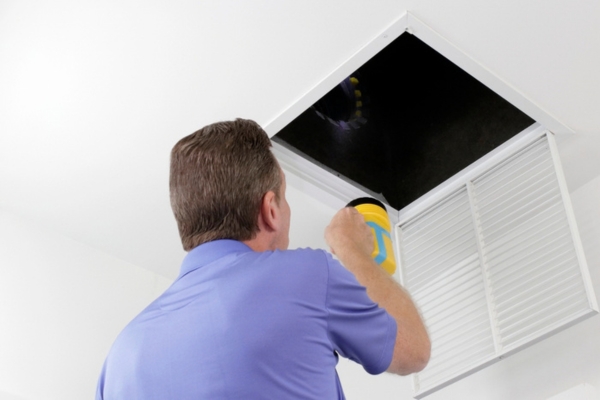
Proper HVAC airflow plays a central role in heating and cooling performance, household comfort, energy consumption, and the long-term dependability of your equipment.
Air Circulation Shapes Indoor Comfort
Consistent air circulation helps maintain comfortable, even temperatures throughout your home. Balanced airflow delivers the right amount of conditioned air to every room, limiting uneven heating and cooling, especially upstairs or in spaces farther from the HVAC air handler.
Strong airflow moves heated or cooled air into occupied areas efficiently, reducing operating cycles and bringing rooms to desired temperatures faster. During cooling, proper circulation also improves humidity control, helping limit excessive indoor moisture, uncomfortable conditions, and the risk of mold development.
Proper Airflow Safeguards HVAC Components
Consistent airflow helps limit mechanical strain and reduces the risk of early system failure. Restricted circulation can cause heat to accumulate inside a furnace heat exchanger, activating safety limit switches and potentially harming internal components.
Air conditioners require sufficient airflow over the evaporator coil to operate properly. Poor circulation can cause frozen coils, diminished cooling output, and added compressor stress. High static pressure also makes blower motors operate harder, raising energy consumption and accelerating equipment wear.
HVAC Air Circulation Affects Indoor Air Quality
Reliable airflow helps maintain effective filtration, ventilation, and control of indoor contaminants. HVAC filters depend on consistent air movement to remove airborne particles effectively; weak circulation can leave dust and allergens lingering in living spaces longer. Properly balanced airflow also improves air exchange, helping disperse indoor pollutants and limit dust accumulation associated with stagnant or poorly distributed air movement.
Common Sources of Weak HVAC Airflow Along the Southern Connecticut Shoreline
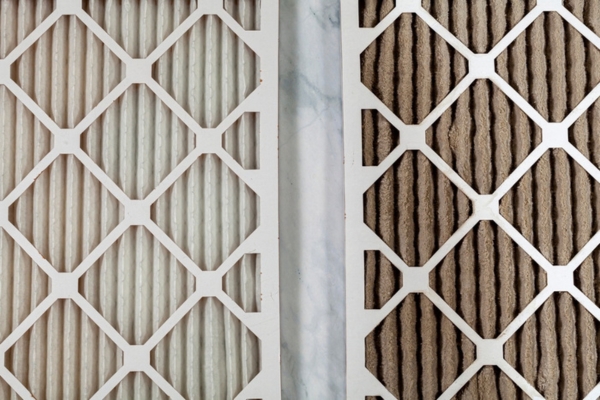
HVAC airflow issues generally have an underlying cause, often resulting from mechanical obstructions, improper system design, or insufficient maintenance affecting heating and cooling performance.
Clogged or Restrictive HVAC Filters
Air filters improve indoor air quality and protect HVAC equipment by capturing dust, pollen, pet dander, smoke, bacteria, and mold spores. As debris builds up, filters can restrict airflow, reduce efficiency, and increase system strain.
Most filters should be replaced every few months and checked monthly for buildup. Higher MERV-rated filters capture smaller particles but may increase airflow resistance, sometimes requiring blower adjustments or more frequent replacement to maintain proper airflow.
Leaking HVAC Ducts
Over time, ductwork can develop holes and cracks due to aging materials, poor installation, excessive air pressure, or pest damage. These leaks allow conditioned air to escape before reaching its destination, reducing HVAC efficiency and contributing to uneven temperatures.
Rooms farthest from the HVAC system are often affected most, leaving them too cold in winter or too warm in summer. HVAC professionals can locate and properly seal duct leaks to restore airflow, comfort, and system efficiency.
Blocked HVAC Vents
If one room remains uncomfortable despite thermostat adjustments, check its supply and return vents for airflow restrictions. Furniture, curtains, or closed dampers can block air distribution and create uneven temperatures. Clear any obstructions and ensure all registers are fully open. If airflow and comfort do not improve, other HVAC issues may require evaluation.
Closed Damper Valve
HVAC systems regulate airflow with dampers that increase, reduce, or stop air delivery to specific zones. Some dampers are adjusted manually, while automatic models respond to thermostat settings.
Check accessible manual dampers for proper positioning and adjust them if needed. If automatic dampers malfunction, have an HVAC professional inspect the controls and electrical components.
Crushed Flex Duct
Air ducts are commonly made from durable metal or flexible materials used around bends and tight spaces. Flexible ducts are more vulnerable to crushing, holes, and cracks that can restrict airflow.
If accessible flex ducts appear flattened, they may sometimes be carefully restored to their original shape. An HVAC professional should inspect and replace damaged or torn ductwork.
Incorrectly Sized Ductwork
HVAC systems rely on multiple components working together, and incompatible parts can cause airflow problems. Oversized ducts can create air pressure that is too low to carry conditioned air to the farthest areas of the home, similar to using a large hose with a small faucet. Undersized ducts can restrict airflow and strain system performance.
An experienced HVAC contractor should properly size and design ductwork using scientific calculations based on the home’s specific heating, cooling, and airflow needs.
Insufficient Return Air Vents
HVAC systems operate in a closed loop, so conditioned air must return to the furnace or air conditioner for proper circulation. Insufficient return airflow can create pressure imbalances and reduce airflow in certain areas.
If poor return airflow results from system design, an HVAC professional can correct the issue. When adequate return vents are present but performing poorly, they should be inspected and repaired promptly.
Frequently Asked Questions About HVAC Airflow

What Are the Signs of Insufficient HVAC Airflow?
Weak air coming from supply vents, uneven or slow temperature changes, higher energy bills, and ductwork noises such as rattling or whistling can indicate poor airflow. Your HVAC system may also operate for extended periods without reaching the thermostat setting. These warning signs can result from airflow restrictions or improper static pressure and should be assessed by an HVAC professional.
How Does HVAC Airflow Impact Energy Efficiency?
Yes. Restricted or uneven airflow makes the blower motor work harder to circulate conditioned air throughout the home. This raises electricity use while lowering overall HVAC efficiency. Continued strain can also increase wear on components such as the heat exchanger and blower assembly, resulting in greater operating and maintenance costs over time.
Can Restricted Airflow Harm HVAC Equipment?
Yes. Poor airflow can cause furnaces to overheat and air conditioner coils to freeze. If these problems persist, they may contribute to heat exchanger damage, compressor failure, or early system shutdowns activated by safety controls. Maintaining adequate airflow supports reliable performance and helps extend HVAC equipment lifespan.
Can Home Renovations Along the Southern Connecticut Shoreline Affect HVAC Airflow?
Yes. Finishing basements, adding walls, installing new windows, or changing room layouts can alter airflow patterns and pressure balance throughout a home. Renovations may also increase heating and cooling demands or obstruct return air pathways. Following major structural changes, a professional airflow assessment can confirm that the HVAC system remains balanced and adequately serves the home’s updated comfort requirements.
How Frequently Should HVAC Airflow Be Checked?
HVAC airflow should be evaluated during annual heating and cooling maintenance appointments. Additional testing may be necessary after home renovations, ductwork changes, or equipment replacements to verify proper system compatibility and balanced air distribution. Routine airflow assessments help preserve dependable performance, consistent indoor comfort, and HVAC reliability year-round.
Conclusion
Reliable HVAC airflow is critical for maintaining even indoor temperatures, supporting efficient equipment operation, and managing energy expenses. Blockages, improper system design, or deferred maintenance can interfere with air distribution, lower efficiency, and compromise household comfort. Addressing airflow concerns promptly helps limit equipment damage and maintain dependable heating and cooling performance.
If you notice signs of poor airflow, contact Wilcox Energy for a professional assessment and effective solutions that help your HVAC system perform reliably.
Contact Wilcox Energy for Complete HVAC Services
Wilcox Energy provides dependable heating and cooling services throughout the Southern Connecticut shoreline. Our professionally certified HVAC technicians perform comprehensive tune-ups, accurate repairs, expert installations, and complete system replacements. Each technician brings the training and experience required to service your HVAC equipment properly and efficiently.
Wilcox Energy offers competitive heating and cooling service rates while focusing on lasting comfort and energy efficiency. Our maintenance services help improve system performance, lower energy consumption, and reduce household heating and cooling expenses. When repairs or equipment replacement are needed, our team can recommend practical solutions suited to your home, comfort needs, and budget.
We stand behind our HVAC work with a satisfaction guarantee. Call Wilcox Energy today to schedule your next service appointment or request a convenient in-home estimate.
For more information about our HVAC services, propane deliveries, or heating oil deliveries, be sure to contact Wilcox Energy. You can click here to contact us or call us at (860) 399-6218. Call now! Click the link to view our service area.

Related Articles:
- Understanding How A Programmable Thermostat Controls Temperature
- 5 HVAC Service Myths That Can Hurt System Performance
- Top Heating And Cooling Innovations Improving Energy Efficiency
- When To Change Your HVAC Air Filter For Better Air Quality
- Why It’s Important to Hire a Professional for Furnace Repair